



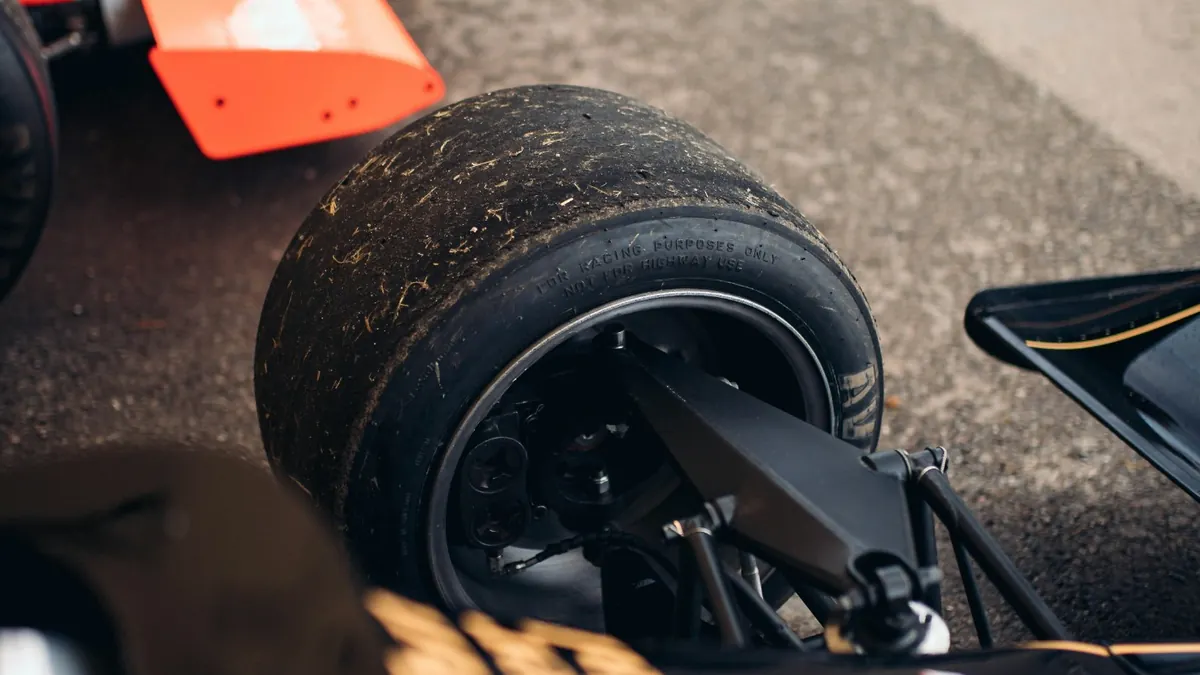
Tires are among the most important components of a racing kart. They are the only points of contact between the kart and the track, influencing braking, cornering, acceleration and overall handling.
Unlike road vehicles, racing karts typically have no conventional suspension system. The tires, chassis and seat work together to manage loads and maintain grip.
For beginners entering competitive karting, understanding racing kart tires is essential. Choosing the wrong tire compound, running inappropriate pressures or neglecting tire condition can affect performance and safety.
This guide explains the main types of kart tires, how tire pressure influences handling, what causes tire wear and how to make informed decisions before your next track session.
Why Are Tires So Important in Karting?
A kart’s performance depends heavily on the grip available between its tires and the racing surface.
Tires influence several fundamental aspects of driving:
- Braking: Grip helps determine how effectively the kart slows down.
- Cornering: Tire characteristics influence how much speed the kart can carry through turns.
- Acceleration: Rear tire traction affects how efficiently engine power reaches the track.
- Handling: Tire construction and pressure contribute to steering response and chassis behaviour.
- Consistency: Tire condition affects how predictably the kart performs over multiple laps.
Even a well-maintained kart with a powerful engine can be difficult to drive competitively when its tires are poorly matched to the conditions.
For a broader introduction to the different types of karts and their equipment, read Types of Go-Karts Explained: Rental, 4-Stroke, 2-Stroke & Electric Karts.
Understanding the Main Types of Racing Kart Tires
Racing kart tires generally fall into two main categories: slick tires for dry conditions and treaded tires designed for wet conditions.
Slick Kart Tires
Slick tires have a smooth tread surface without conventional grooves.
They are designed to provide grip on dry racing surfaces and are commonly used in competitive karting.
Slick tires are available in different rubber compounds, depending on the manufacturer and racing category.
Softer compounds may offer higher grip under suitable conditions but can wear more quickly.
Harder compounds may provide greater durability, although their performance depends on temperature, track surface and kart setup.
A softer tire is not automatically the best choice. In organized racing, regulations often specify which tire models and compounds are permitted.
Rain Kart Tires
Rain tires feature grooves designed to help manage water on a wet racing surface.
They are intended to provide traction in conditions where slick tires may struggle.
Rain tires are especially important when competing in changing weather.
However, using rain tires on a drying track can lead to excessive heat and accelerated wear.
Drivers should always follow event regulations and race officials’ instructions regarding tire selection.
How Tire Compounds Affect Grip and Performance
The rubber compound determines many of a tire’s operating characteristics.
Different compounds can respond differently to:
- Track temperature
- Ambient temperature
- Surface abrasiveness
- Driving style
- Kart weight
- Session length
A tire that performs well during a short qualifying session may behave differently over a longer race.
In some racing categories, drivers must use a designated tire supplied or approved by the championship.
This means that learning how to manage a specific tire can be more valuable than searching for the softest available compound.
Understanding Racing Kart Tire Pressure
Tire pressure is one of the most important and accessible adjustments on a racing kart.
It affects the tire’s shape, operating temperature and interaction with the track.
What Happens When Tire Pressure Is Too High?
Excessive pressure can change the contact patch and cause the tire to behave differently than intended.
Depending on the tire and conditions, the kart may experience:
- Reduced or inconsistent grip
- Excessive sliding
- Changes in steering response
- Uneven wear
- Performance that deteriorates during a session
What Happens When Tire Pressure Is Too Low?
Insufficient pressure can also cause problems, including:
- Poor tire response
- Excessive tire deformation
- Difficulty reaching the intended operating conditions
- Unpredictable handling
- Increased risk of tire or bead-related problems when pressures are outside approved limits
The correct pressure depends on the specific tire, track conditions and manufacturer’s recommendations.
There is no universal tire pressure that works for every racing kart.
Cold Pressure vs. Hot Pressure
Cold pressure is measured before the kart goes onto the track, when the tires have not yet been heated by driving.
Hot pressure is measured immediately after a track session.
As tires heat up, their internal pressure generally increases.
Comparing cold and hot readings can help drivers understand how their tires are behaving.
For useful comparisons, measure pressures consistently and record the conditions for each session.
Always remain within the tire manufacturer’s approved operating range.
How to Check Racing Kart Tire Pressure
A consistent routine helps prevent avoidable handling problems.
Before a session:
- Inspect each tire for visible damage.
- Use a reliable tire pressure gauge.
- Measure all four tires before driving.
- Compare the readings with the tire manufacturer’s guidance and your established setup.
- Record the pressures and track conditions.
After the session:
- Measure the pressures promptly and consistently.
- Record the readings.
- Inspect tire wear.
- Note how the kart handled.
- Make only appropriate adjustments within approved limits.
Changing one setup variable at a time makes it easier to understand what affects performance.
What Causes Racing Kart Tire Wear?
Racing kart tires wear because of friction, heat and the forces generated during driving.
However, several factors can accelerate or unevenly distribute wear.
1. Incorrect Tire Pressure
Operating outside the appropriate pressure range can contribute to poor performance and irregular wear.
2. Excessive Sliding
Frequent sliding can overheat the tires and accelerate rubber wear.
Smooth driving often helps maintain more consistent tire performance.
3. Chassis Setup
Kart alignment, axle characteristics and other chassis settings influence how loads are distributed across the tires.
4. Track Conditions
Abrasive asphalt, high temperatures and changing grip levels can affect tire life.
5. Driving Technique
Aggressive steering, braking and throttle inputs can place additional demands on the tires.
Improving driving technique is often a useful first step before making extensive setup changes.
For more information, see Karting Driving Techniques: The Complete Guide to Racing Lines, Braking and Cornering.
How to Inspect Racing Kart Tires
Before each track session, visually inspect all four tires.
Look for:
- Cuts, punctures or embedded debris
- Unusual bulges or deformation
- Excessive or uneven wear
- Damage near the tire bead
- Signs of overheating or deterioration
- Condition inconsistent with the manufacturer’s wear indicators or limits
Do not use a tire that appears damaged or unsafe.
If you are uncertain about its condition, ask an experienced mechanic, kart shop or race official to inspect it.
Safety should always take priority over extending tire life.
How Long Do Racing Kart Tires Last?
There is no fixed number of laps or sessions that applies to every racing kart tire.
Tire life depends on the compound, track surface, driving conditions, kart setup and how the tires are used.
A performance-oriented racing tire may lose some of its competitive characteristics before it becomes visibly worn out.
Other tires may remain suitable for practice over a longer period, provided they remain safe and comply with applicable requirements.
For beginners, tracking tire age, usage and handling changes is a practical way to understand replacement needs.
How to Store Racing Kart Tires
Proper storage helps protect tires when they are not being used.
Follow these basic practices:
- Store tires in a clean, dry environment.
- Avoid prolonged exposure to direct sunlight.
- Keep tires away from excessive heat and ozone-producing equipment.
- Avoid contact with oils, solvents and other damaging chemicals.
- Follow the manufacturer’s storage temperature recommendations.
- Protect tires from unnecessary deformation.
If your kart will be stored for several months, inspect the tires before returning to the track.
Tires can deteriorate with age even when they have not been used extensively.
Should Beginners Buy New or Used Racing Kart Tires?
Used tires may appear attractive to beginners looking to reduce costs.
However, their condition and remaining performance can be difficult to evaluate without experience.
Before considering used tires, assess:
- Their age and storage history
- Visible wear or damage
- Whether their compound matches your intended category
- Whether they comply with racing regulations
- Whether a qualified person can evaluate their condition
For competitive events, tire regulations may require specific approved models or new tires.
For initial practice, your local kart shop or club can help determine whether an appropriate used set is a sensible option.
Never compromise safety to reduce equipment costs.
For a broader overview of the expenses associated with entering the sport, read How Much Does Karting Cost in Québec? The Complete Beginner’s Guide.
Common Racing Kart Tire Mistakes to Avoid
Beginners can avoid many problems by following a few basic principles.
Using the wrong tire for the conditions: Slick tires and rain tires are designed for different track surfaces.
Guessing tire pressures: Always use reliable measurements and manufacturer guidance.
Ignoring tire wear: Damaged or excessively worn tires can affect both safety and handling.
Changing too many settings at once: Multiple simultaneous changes make it difficult to identify what improved or worsened performance.
Buying tires before checking regulations: Your racing category may require a specific brand, model or compound.
Focusing only on equipment: Smooth and consistent driving remains essential, regardless of tire selection.
Frequently Asked Questions
What tires do racing go-karts use?
Most competitive karting categories use slick tires for dry conditions and specially treaded rain tires for wet conditions. The permitted models depend on the championship regulations.
Do racing kart tires need to warm up?
Tire performance can change as the rubber reaches its operating temperature. The appropriate temperature range depends on the tire compound and conditions.
Can I use rain tires on a dry track?
Rain tires are designed for wet conditions. Using them on dry pavement can cause excessive heat and rapid wear. Follow manufacturer guidance and event regulations.
How often should I check kart tire pressure?
Check pressures before each session and monitor them afterward when appropriate. Consistent measurements are particularly useful when evaluating setup changes.
Are expensive kart tires always faster?
Not necessarily. Performance depends on the tire’s suitability for the kart, track and conditions. Racing regulations may also restrict tire choice.
Can tire pressure improve lap times?
Appropriate tire pressure can help the kart perform consistently, but it is only one factor. Driving technique, chassis setup and track conditions also influence lap times.
Final Thoughts
Choosing the right racing kart tires involves more than selecting a brand or compound.
Drivers need to understand the differences between slick and rain tires, follow appropriate pressure recommendations, inspect tire condition and respect their racing category’s regulations.
For beginners, a simple and consistent tire management routine can make karting safer, more predictable and more enjoyable.
As your experience grows, keeping records of tire pressures, conditions and handling characteristics can help you make better-informed setup decisions.
If you’re preparing to enter organized competition, read How to Start Kart Racing in Québec: Licences, Classes, Clubs and Your First Race to understand the next steps.
DNA Karting provides practical educational resources to help recreational drivers and racing enthusiasts build their knowledge of karting equipment, performance and competition.
