



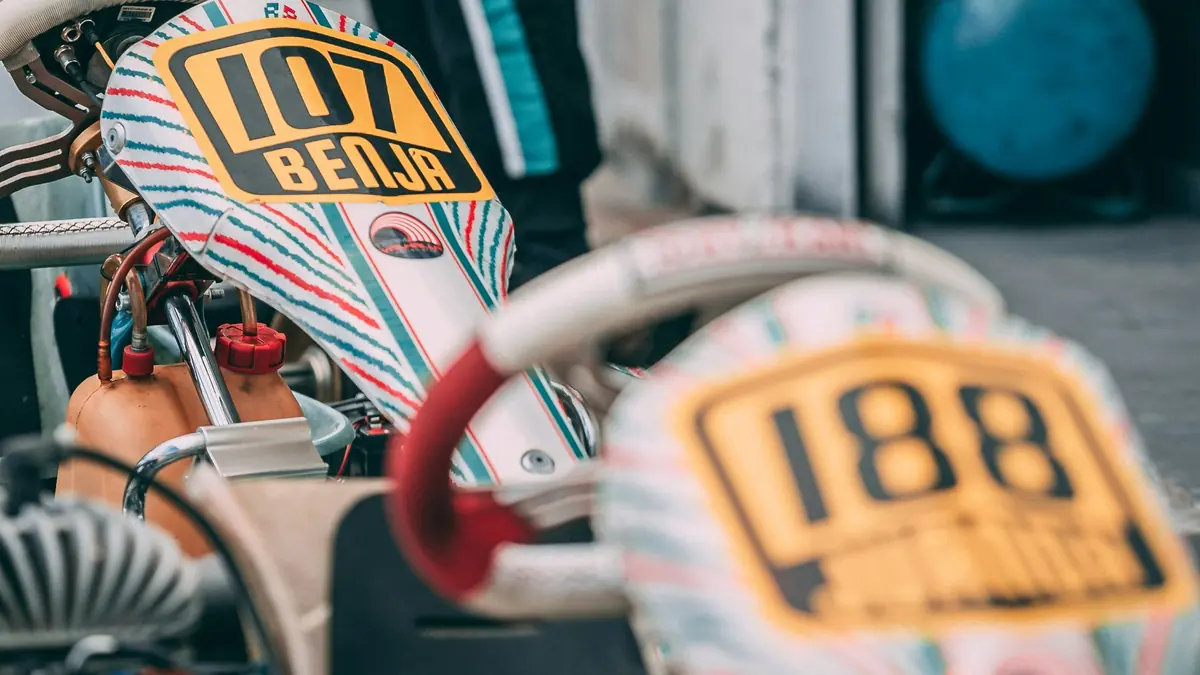
Your first karting session can be exciting, especially if you’ve never driven a go-kart before. You might be wondering how fast the karts go, what equipment you need, how the session works, or whether you need any driving experience.
The good news is that rental karting is designed to make the sport accessible to newcomers. Most recreational karting facilities provide the karts, essential safety equipment, and instructions you need to get started.
Whether you’re visiting an indoor karting centre or an outdoor circuit, understanding what to expect can help you feel more comfortable and enjoy your first experience.
This guide walks you through a typical rental karting visit, from booking your session to completing your first laps.
1. Before You Arrive: Booking Your Karting Session
Many karting facilities accept reservations online or by telephone. Some also welcome walk-in visitors, depending on availability.
Before visiting, check the facility’s website for important details, including:
- Opening hours and reservation requirements
- Minimum age and height restrictions
- Session prices and duration
- Required clothing and footwear
- Available junior or beginner sessions
- Cancellation and weather policies
- Whether helmets and other equipment are included
If you’re visiting with children, confirm that the facility offers karts suitable for their age and size.
You should also ask whether beginners and experienced drivers participate in the same sessions.
Beginner tip: For your first visit, consider choosing a quieter period when the facility is less crowded.
For more information about choosing a rental karting experience, read our Rental Karting: The Complete Guide for Beginners.
2. Arriving at the Karting Facility
When you arrive, you’ll generally check in at the reception desk.
Depending on the facility, you may need to:
- Confirm your reservation
- Provide your name and contact information
- Complete a registration form
- Review and sign a participation waiver
- Confirm that you meet the age and height requirements
- Pay for your session, if you haven’t already
Some facilities may also provide a driver identification card or assign you a number for their timing system.
Arriving early gives you enough time to complete these steps without rushing.
How early should you arrive?
Follow the facility’s instructions. Some operators ask participants to arrive 15–30 minutes before their scheduled session, but requirements vary.
3. Getting Your Safety Equipment
Before entering the track, you’ll need to prepare your safety equipment.
Most rental karting facilities provide an appropriate helmet. Depending on the operator, additional equipment may be available or required.
Common requirements include:
- A properly fitted helmet
- Closed-toe shoes
- Comfortable clothing that allows free movement
- Secured long hair
- No loose scarves, jewellery, or clothing that could interfere with the kart
Some facilities require a helmet liner or balaclava for hygiene purposes.
Make sure your helmet fits securely and that the chin strap is properly fastened.
If you’re unsure about the fit, ask a staff member for assistance.
For more information, see our Essential Karting Safety Equipment Guide.
4. Attending the Safety Briefing
Before your first session, the facility should explain the essential track rules and safety procedures.
This briefing is one of the most important parts of your visit.
You may learn about:
- How to accelerate and brake
- The meaning of track flags and warning signals
- How to enter and leave the pit lane
- Safe following distances
- Rules for overtaking
- What to do if your kart stops
- How to respond to an incident
- The location of track marshals and staff
Pay close attention, even if the instructions seem straightforward.
Every karting facility has its own procedures, and following them helps protect you and the other drivers.
Important: If your kart stops on the circuit, follow the staff’s instructions. Do not leave your kart unless directed to do so or unless an immediate safety emergency requires it.
5. Getting Into Your Kart
After the briefing, staff will direct you to your assigned kart.
Rental karts are designed for repeated use by different drivers, but their seating positions and controls can vary.
Before driving, take a moment to become familiar with the kart.
The accelerator
The accelerator pedal is normally operated with your right foot.
Pressing it increases the kart’s speed.
For your first session, apply the accelerator gradually rather than immediately using full throttle.
The brake
The brake pedal is normally operated with your left foot.
Unlike a typical road car, most rental karts use separate pedals for the left and right feet.
Use smooth, controlled braking and avoid pressing the accelerator and brake simultaneously.
The steering wheel
Kart steering is direct and responsive.
Small steering movements can have a noticeable effect, especially at higher speeds.
Keep both hands on the steering wheel unless instructed otherwise.
Your seating position
Make sure you can comfortably reach the pedals and steering wheel.
If the seat or pedals need adjustment, ask the staff for assistance before entering the track.
6. Leaving the Pit Lane and Starting Your First Laps
Once the session begins, staff will signal when you can leave the pit lane.
Your first few laps should focus on learning the circuit rather than setting a fast lap time.
Pay attention to:
- The direction of the track
- The location of corners
- Braking zones
- Track barriers
- Other drivers
- Staff signals
Start at a comfortable pace and gradually build confidence.
Your first objective is not to be the fastest driver. It’s to become comfortable controlling the kart safely and consistently.
As you learn the layout, you’ll naturally begin to recognize where you can accelerate, where you need to brake, and how to approach each corner.
7. Understanding Racing Lines and Cornering
One of the most enjoyable parts of karting is learning how to drive through corners smoothly.
Beginners often make the mistake of entering corners too quickly and then struggling to maintain control or exit efficiently.
A more effective approach is to:
- Look ahead toward the corner.
- Reduce speed before turning.
- Steer smoothly toward the appropriate line.
- Avoid unnecessary steering corrections.
- Accelerate progressively as the kart straightens.
The ideal racing line depends on the circuit and the type of corner.
During your first session, focus on smooth driving rather than aggressive cornering.
To develop your technique, read our Karting Driving Techniques: The Complete Guide to Racing Lines, Braking and Cornering.
8. Sharing the Track With Other Drivers
Rental karting sessions often include drivers with different levels of experience.
Some participants may be faster, while others are still learning.
When sharing the track:
- Maintain a safe distance from other karts.
- Avoid sudden or unpredictable movements.
- Follow the facility’s overtaking rules.
- Respect warning flags and marshal instructions.
- Do not deliberately make contact with another kart.
- Allow faster drivers to pass when required by the track’s rules.
Remember that rental karting is not automatically a race.
Some sessions are simply timed practice opportunities where participants aim to improve their individual lap times.
Your priority should always be predictable, controlled driving.
9. How Long Does a Rental Karting Session Last?
Rental karting sessions are commonly sold as timed driving experiences.
Some facilities offer sessions of approximately 8–15 minutes, while others use different formats or durations.
The exact length depends on the operator, the kart fleet, and the package you purchase.
Although a short session may not sound like much, karting requires concentration and physical effort.
First-time drivers may be surprised by how demanding repeated cornering, braking, and steering can feel.
If you want additional track time, many facilities offer packages containing multiple sessions.
To better understand pricing, read How Much Does Karting Cost in Québec? The Complete Beginner’s Guide.
10. Understanding Your Lap Times
Many karting facilities use electronic timing systems that record each driver’s performance.
At the end of your session, you may receive a results sheet showing:
- Your fastest lap
- Your average lap time
- The number of laps completed
- Your position relative to other participants
- Your lap-by-lap performance
For beginners, lap-time consistency is often a more useful measure of progress than a single fast lap.
For example, completing several laps at a similar pace suggests you’re developing control and familiarity with the circuit.
Don’t worry if your first lap times are slower than those of experienced drivers.
Improvement comes with practice.
11. What Happens When the Session Ends?
When your driving time is over, staff will signal that the session is ending.
You may see a chequered flag or another signal specified during the safety briefing.
Reduce your speed and follow the instructions for returning to the pit lane.
Once your kart has stopped:
- Wait for permission before exiting.
- Remove your helmet in the designated area.
- Return any borrowed equipment.
- Review your lap times, if available.
- Follow staff directions when leaving the driving area.
Some facilities offer the opportunity to book another session immediately.
If you enjoyed your experience, a second session can be a great way to apply what you learned during your first laps.
12. Common Mistakes First-Time Karting Drivers Make
Beginners tend to make a few predictable mistakes.
Trying to drive too fast immediately
Driving beyond your comfort level can lead to missed braking points and inconsistent laps.
Start gradually and increase your pace as you gain confidence.
Braking too late
Late braking often causes drivers to enter corners too quickly.
Try braking earlier and concentrating on a smooth exit.
Turning the steering wheel too aggressively
Excessive steering can reduce grip and make the kart harder to control.
Use deliberate, smooth steering inputs.
Looking directly in front of the kart
Looking too close to the kart makes it harder to anticipate corners.
Focus your attention farther down the track.
Focusing only on lap times
Lap times are useful, but your first session should be about developing safe driving habits.
Consistency and control are more important than chasing a particular result.
13. Can Children Participate in Rental Karting?
Many karting facilities welcome younger drivers, but minimum age and height requirements vary.
Some centres offer junior karts, reduced-power electric karts, or sessions specifically designed for children.
Parents should confirm:
- The minimum age and height requirements
- Whether junior karts are available
- Whether adults and children drive together
- The level of supervision provided
- The safety equipment required
For a detailed introduction, explore Karting for Kids & Parents and At What Age Can Kids Start Karting? A Parent’s Guide.
14. What Should You Do After Your First Session?
If you enjoyed your first rental karting experience, there are several ways to continue.
You could return to the same track to improve your lap times, try a different indoor or outdoor circuit, or participate in a recreational karting league if one is available.
You may also want to learn more about kart types, driving techniques, and the differences between recreational and competitive karting.
If you’re curious about the different vehicles used in the sport, read Types of Go-Karts Explained: Rental, 4-Stroke, 2-Stroke & Electric Karts.
And if your long-term goal is racing, our How to Start Kart Racing in Québec guide explains the next steps.
Final Thoughts: Enjoy Your First Karting Experience
Your first rental karting session should be an opportunity to discover something new, develop confidence, and enjoy the excitement of driving on a circuit.
You don’t need racing experience, specialized equipment, or advanced driving skills to get started at an appropriate rental facility.
Arrive prepared, listen carefully to the safety briefing, drive within your abilities, and focus on improving one lap at a time.
The most important goal of your first session is simple: have fun, stay safe, and leave wanting to drive again.
Continue Exploring Recreational Karting
Discover more beginner-friendly guides and practical resources in our Recreational Karting section.
