



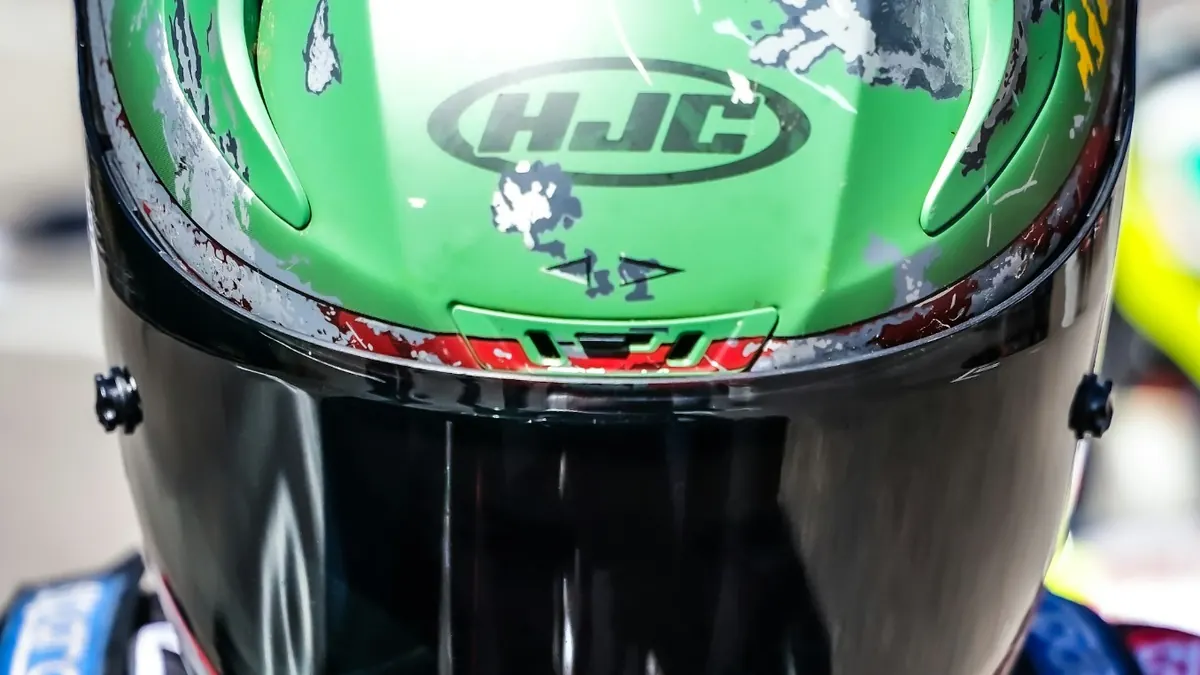
The complete beginner’s guide to choosing, fitting, maintaining and budgeting for karting safety equipment in Québec.
Karting is one of the most exciting ways to experience motorsport. Whether you are enjoying your first session at an indoor track or preparing to enter an organized championship, driving a kart requires concentration, control and respect for safety.
Unlike most passenger vehicles, a traditional racing kart does not have an enclosed body surrounding the driver. The driver sits close to the ground, with the arms, legs and upper body exposed to the racing environment.
That makes properly selected protective equipment especially important.
But what safety gear do you actually need for karting?
Is a motorcycle helmet acceptable? Should beginners buy a racing suit? Are rib protectors necessary? What equipment should parents purchase for young drivers? And how much should someone budget before participating in competitive karting?
The answers depend on the type of karting you plan to do.
A recreational rental-kart session may require very little personal equipment, while sanctioned competition involves more extensive requirements and specific certification standards.
This guide explains the essential karting safety equipment, how to choose it, what to look for when shopping and how to keep it in good condition.
1. Why Safety Equipment Matters in Karting
Karting may look simple, but it places considerable demands on both the driver and the equipment.
During a session, drivers experience braking forces, cornering loads, vibrations and repeated steering movements.
In competition, karts may travel closely together, increasing the importance of predictable driving and appropriate protection.
Unlike an enclosed race car, a kart generally has no surrounding bodywork to protect the driver’s entire upper body.
Personal protective equipment is therefore an important part of a broader safety system that also includes circuit design, kart maintenance, driving rules, barriers and supervision.
Good equipment helps reduce certain risks, but it cannot eliminate the possibility of injury.
The main areas that require protection
Karting safety equipment is designed to address several needs:
- Head protection: reducing certain risks associated with head impacts.
- Eye and face protection: helping shield the driver from wind, debris and other hazards.
- Abrasion protection: protecting exposed areas if contact with the track occurs.
- Hand protection: improving grip and protecting the hands.
- Foot and ankle protection: providing support and allowing precise pedal control.
- Torso protection: helping manage pressure and impacts affecting the ribs and chest.
The appropriate equipment depends on the driver’s age, the kart, the type of event and the regulations in force.
2. Recreational Karting vs. Competitive Karting: What Equipment Do You Need?
One of the most common beginner mistakes is assuming that every type of karting has identical safety requirements.
In reality, the equipment used for a recreational rental session may be different from the equipment required for a sanctioned race.
If you’re new to the sport, our complete beginner’s guide to karting explains how recreational karting works and what to expect during your first sessions.
Recreational rental karting
Many indoor and outdoor rental facilities supply helmets or require participants to use approved helmets.
Some venues also provide other protective items.
Depending on the facility, drivers may be asked to wear:
- Closed-toe shoes.
- Comfortable clothing that cannot become caught in moving parts.
- A helmet supplied or approved by the operator.
- A hygienic head covering when using a shared helmet.
- Other protective equipment specified by the venue.
Requirements vary.
Some facilities prohibit loose scarves, dangling accessories or unsuitable footwear.
Before visiting, check the facility’s published safety rules.
Competitive karting
Sanctioned racing usually involves more comprehensive personal equipment requirements.
These may include:
- An approved full-face helmet.
- A suitable karting racing suit.
- Racing gloves.
- Appropriate protective footwear.
- Torso or rib protection.
- Additional equipment required for the driver’s age or racing category.
Certain items may have to meet specific certification or homologation standards.
The relevant sporting regulations, technical regulations and event-specific rules determine what is acceptable.
Quick comparison
| Equipment | Recreational karting | Sanctioned competition |
|---|---|---|
| Helmet | Usually required; may be supplied | Approved helmet meeting applicable rules |
| Racing suit | Depends on venue | Generally required |
| Gloves | Depends on venue | Generally required |
| Racing footwear | Closed shoes may be sufficient | Protective footwear meeting event rules |
| Rib protector | Depends on venue | Often used; requirements vary |
| Chest protection | Depends on venue | May be required or recommended depending on age and rules |
| Head sock | May be required for shared helmets | Depends on hair protection and event rules |
Important: This table is a general overview, not an official equipment checklist. Always confirm the requirements of the venue or championship before participating.
3. Karting Helmets: Your Most Important Piece of Equipment
A properly selected helmet is one of the most important investments a karting driver can make.
It must fit correctly, be in good condition and satisfy the rules of the activity.
A helmet that looks like a racing helmet is not necessarily approved for kart racing.
Why full-face protection matters
Full-face helmets cover the head and provide a protective chin structure.
Their visors also help protect the driver’s eyes and face from wind, insects and debris.
In competitive karting, full-face helmet requirements are particularly important because drivers operate close to the track surface and other karts.
Can you use a motorcycle helmet for karting?
The answer depends on the event and the helmet’s specific certification.
Some helmets may be accepted for certain forms of karting, while others are not.
Do not assume that a helmet is legal for competition simply because it is marketed for motorcycles, motorsport or recreational karting.
The 2026 Canadian karting rules include a separate document addressing permitted racing helmets, and the accepted standards can depend on the driver’s age and the type of helmet.
Before buying, verify the exact model, certification label and current eligibility requirements.
Understanding helmet certifications
You may encounter certification names associated with organizations such as Snell and the FIA.
These standards are not interchangeable.
A helmet’s acceptability depends on the precise certification, the driver’s eligibility and the regulations governing the event.
Some certifications also have age-related conditions or periods during which they remain acceptable.
For that reason, a general statement such as “Snell approved” is not enough to confirm that a helmet is suitable for your race.
How to choose the correct helmet size
A helmet should fit securely without creating painful pressure points.
To begin:
- Measure your head circumference according to the manufacturer’s instructions.
- Consult that manufacturer’s sizing chart.
- Try the helmet on whenever possible.
- Check that it sits correctly on the head.
- Confirm that it does not move excessively when you turn your head.
- Make sure the chin strap can be fastened securely.
- Verify that the visor operates correctly.
Helmet sizing differs between brands.
A medium from one manufacturer may not fit like a medium from another.
Signs of a poor fit
A helmet may be unsuitable if:
- It moves noticeably when you shake your head.
- It slides forward and obstructs your vision.
- It creates persistent pain.
- The chin strap cannot be adjusted correctly.
- Your head shape does not match the helmet’s internal shape.
- The helmet is too large to remain stable.
Never purchase an oversized helmet simply because it feels more comfortable.
Helmet ventilation and visibility
Ventilation can affect comfort, particularly during hot summer events in Québec.
A suitable visor should provide clear vision without significant distortion.
For outdoor racing, changing light conditions, rain and visor fogging can also affect visibility.
Only use visor accessories and treatments that are compatible with the helmet manufacturer’s instructions and permitted by the event regulations.
When should you replace a helmet?
Replace or have a helmet professionally assessed according to the manufacturer’s instructions following an impact or suspected damage.
A helmet may also require replacement if its shell, liner, strap or visor mechanism is damaged.
Even if a helmet appears visually intact, hidden damage may affect its protective performance.
For racing, certification validity and current regulations are additional considerations.
Never continue using a damaged helmet simply because it still looks acceptable.
4. Karting Racing Suits: Protection and Comfort
A karting racing suit is designed to provide abrasion protection while allowing the driver to move freely.
It typically covers the arms, legs and torso.
Karting suits are not the same as car-racing suits
Karting and enclosed-car racing expose drivers to different conditions.
Karting suits are generally designed with abrasion resistance as a major consideration.
Many car-racing suits are designed around flame-resistance requirements.
A suit approved for one discipline should not automatically be assumed suitable for another.
Always check the certification required for your karting event.
Karting suit certification
Depending on the championship, karting suits may need to meet an accepted CIK-FIA or FIA karting clothing standard.
The FIA 8877-2022 standard is one of the standards associated with karting protective clothing.
Older approvals may also remain acceptable under specified conditions.
Rules concerning approved standards, dates and garment condition can change.
For competition in Québec, consult the current applicable regulations before purchasing.
How should a karting suit fit?
A suit should allow you to sit comfortably in the kart and operate the steering wheel and pedals without restriction.
Check that:
- The shoulders are not excessively tight.
- The sleeves cover the wrists appropriately.
- The legs remain covered while seated.
- The suit does not pull uncomfortably across the back.
- The zipper and closures function correctly.
- Excess fabric does not interfere with kart operation.
Try sitting in a kart or simulating the driving position when assessing fit.
One-piece or two-piece clothing?
Competitive karting commonly uses one-piece racing suits.
A jacket-and-pants combination should not be assumed acceptable unless the applicable regulations explicitly permit it.
Caring for your racing suit
Follow the manufacturer’s washing instructions.
Avoid harsh cleaning methods that could damage protective materials.
Inspect the suit regularly for:
- Tears.
- Worn seams.
- Damaged zippers.
- Abrasion.
- Deteriorated fabric.
- Loose closures.
Do not modify a certified racing suit in a way that compromises its original construction or approval.
5. Karting Gloves: Grip, Control and Hand Protection
Karting gloves are sometimes overlooked by beginners, but they serve several important purposes.
They help protect the hands while improving the driver’s contact with the steering wheel.
Why karting gloves matter
During a long session, steering effort, vibrations and repeated movements can cause discomfort.
Well-fitted gloves help the driver maintain a consistent grip.
They also provide abrasion protection.
What to look for in karting gloves
Consider:
- Secure fit around the fingers and palm.
- Good steering-wheel grip.
- Sufficient flexibility.
- Comfortable seams.
- Appropriate wrist coverage.
- Construction that meets the relevant racing regulations.
Some gloves feature external seams or specially designed palm surfaces.
The best choice is one that fits properly and allows precise control.
Avoid oversized gloves
Gloves that are too large can bunch around the fingers and reduce steering feel.
Gloves that are too tight may restrict movement.
Try gripping a steering wheel or similar object when evaluating fit.
Maintaining karting gloves
Allow gloves to dry after use.
Clean them according to the manufacturer’s instructions.
Replace gloves if the material becomes torn, excessively worn or unable to provide adequate grip and protection.
6. Karting Shoes: Why Ordinary Sneakers May Not Be Enough
Footwear affects both safety and driving precision.
Karting requires repeated, controlled movements of the accelerator and brake pedals.
The driver needs to feel the pedals clearly while maintaining secure foot positioning.
What makes karting shoes different?
Dedicated karting shoes often feature:
- Thin, flexible soles for pedal sensitivity.
- Secure ankle coverage.
- Lightweight construction.
- Reinforced areas subject to wear.
- Materials selected for karting use.
The exact design varies by manufacturer.
Can you wear sneakers?
For recreational rental karting, many venues permit suitable closed-toe athletic shoes.
For sanctioned competition, more specific protective footwear requirements may apply.
Ordinary sneakers should not be assumed acceptable for racing.
Choosing the correct size
Karting shoes should fit securely without squeezing the toes.
The heel should remain stable.
Excessively loose shoes can reduce pedal control.
Before buying, confirm that the shoes provide the coverage and protection required by your intended championship.
7. Rib Protectors: Why Karting Drivers Use Them
Rib protectors are widely associated with competitive karting because of the forces experienced during cornering.
A karting driver sits in a relatively rigid seat and may experience repeated pressure against the sides of the torso.
During high-grip driving, this pressure can become uncomfortable.
What does a rib protector do?
A rib protector is designed to help manage pressure and certain impacts affecting the sides of the torso.
It may improve comfort during demanding sessions and provide additional protection.
However, it does not prevent every possible rib or torso injury.
Do beginners need a rib protector?
For occasional rental karting, the answer depends on the venue, the kart and the driver.
For owner-kart competition, rib protection is commonly used.
Some championships or categories impose specific requirements.
Before purchasing, check whether your event requires a particular type of protector or certification.
How should a rib protector fit?
The protector should cover the intended area without preventing normal breathing or steering movement.
It should remain securely positioned when seated in the kart.
A poorly fitted protector may shift during driving or create uncomfortable pressure points.
Try it with your racing suit and, ideally, while seated in a kart.
Are rib protectors and chest protectors the same?
Not necessarily.
A rib protector primarily addresses the sides of the torso, while a chest protector may provide different coverage.
Some protective products combine multiple areas of protection.
For younger drivers, the distinction is especially important because the regulations may include age-specific chest-protection provisions.
Do not assume that one product satisfies every requirement.
8. Safety Equipment for Children and Junior Karting Drivers
Parents often face additional questions when choosing equipment for young drivers.
Children grow, racing categories change and protective equipment must fit properly.
Helmets for young drivers
Young drivers may be subject to specific helmet certification requirements.
The permitted standards can differ from those applicable to older drivers.
A helmet that fits an adult correctly may not be suitable for a child, even if the circumference appears similar.
Choose equipment specifically appropriate for the driver’s size and the applicable regulations.
Chest and torso protection
Certain junior karting rules include specific chest-protection requirements or recommendations.
For example, the 2026 Canadian karting regulation updates address youth chest protection and refer to the SFI 20.1 youth chest-protector standard.
The precise requirement for an individual driver must still be confirmed against the applicable event rules.
Avoid buying equipment that is too large
Parents understandably want equipment to last through periods of growth.
However, oversized helmets, suits and protective gear may not function as intended.
Correct fit should take priority over extending the useful life of an item.
When should children’s equipment be replaced?
Reassess fit regularly.
Equipment may need replacement when:
- The child has outgrown it.
- The helmet no longer fits correctly.
- The suit restricts movement.
- Gloves or shoes are too small.
- Protective equipment shifts or no longer covers the intended area.
- The item is damaged or no longer compliant.
Involve the young driver
Children should understand how to wear their equipment correctly and recognize discomfort or damage.
Encourage them to report anything that feels loose, painful or unusual.
9. How Much Does Karting Safety Equipment Cost in Québec?
The cost of karting safety equipment depends on the type of driving, the required certifications, the brand and the quality of the products.
Recreational drivers may need little personal equipment because rental facilities often supply certain items.
Competitive drivers usually face a more substantial initial investment.
For a broader look at the expenses involved in the sport, including recreational sessions and competition, consult our complete guide to karting costs in Québec.
Typical equipment budget categories
| Item | Main factors affecting cost |
|---|---|
| Helmet | Certification, fit, construction and features |
| Racing suit | Approval standard, material and design |
| Gloves | Construction, grip and certification |
| Karting shoes | Protection, fit and materials |
| Rib protector | Coverage, construction and fit |
| Chest protector | Age-specific requirements and approval |
| Head sock | Material and intended use |
| Equipment bag | Size, protection and durability |
Prices vary between retailers and change over time.
Instead of relying on a generic price estimate, compare current Canadian retailer quotations for equipment that satisfies your intended championship’s requirements.
What should you buy first?
If you are beginning with recreational rental karting, confirm what the venue supplies.
You may not need to purchase a full set of racing gear immediately.
If you are preparing for sanctioned competition, begin by obtaining the current equipment regulations.
Then prioritize:
- A correctly fitted, approved helmet.
- A compliant racing suit.
- Appropriate gloves and footwear.
- Required torso protection.
- Any additional age- or event-specific items.
Where should you spend more?
Fit, certification and condition matter more than appearance.
A properly fitted helmet that meets the required standard is a better purchase than a more expensive helmet chosen mainly for its graphics.
Similarly, a suitable racing suit is more valuable than a premium design that does not fit correctly.
Can you buy used safety equipment?
Used equipment may appear attractive because of the lower purchase price.
However, safety-critical items require special caution.
A used helmet may have an unknown impact history or hidden damage.
For that reason, purchasing a new helmet from a reputable source is generally the more prudent choice.
Other used items should be inspected for wear, damage, fit and regulatory compliance.
Never purchase protective equipment simply because it is inexpensive.
10. How to Choose Karting Equipment Without Wasting Money
Beginners can avoid many unnecessary purchases by following a simple process.
Step 1: Decide what type of karting you will do
Are you planning occasional rental sessions, a recreational league or sanctioned owner-kart racing?
Your answer determines the level of equipment you need.
If you’re still deciding between recreational and competition karts, read our guide to the different types of go-karts before investing in specialized equipment.
Step 2: Identify the relevant regulations
For sanctioned racing, obtain the current rules for your championship.
Check the accepted standards for helmets, suits, gloves, shoes and body protection.
Do not rely on an outdated equipment checklist.
Step 3: Try equipment on
Whenever possible, visit a knowledgeable retailer.
Try different helmet shapes, suit sizes and protective equipment.
Comfort and fit can vary considerably between manufacturers.
Step 4: Prioritize safety over appearance
Bright colours and racing graphics can be appealing.
However, they should not influence your decision more than certification, fit and condition.
Step 5: Consider the full cost
Include all required equipment in your budget.
A helmet purchase alone does not prepare a driver for sanctioned racing.
Step 6: Keep purchase documentation
Save receipts, product information and certification details.
These records may be useful for warranty questions or confirming equipment specifications.
11. Karting Equipment Maintenance: How to Keep Your Gear in Good Condition
Protective equipment requires regular care.
Dirt, moisture, wear and improper storage can reduce comfort and potentially affect performance.
Helmet maintenance
After each session:
- Wipe the exterior using methods approved by the manufacturer.
- Clean the visor carefully.
- Allow the helmet to dry.
- Check the strap and fastening system.
- Inspect for visible damage.
- Store it in a protective bag or suitable case.
Avoid exposing the helmet to unnecessary heat, harsh chemicals or direct sunlight during storage.
Do not attach accessories, paint or modify the helmet unless permitted by its manufacturer.
Suit maintenance
Follow the garment’s care label.
Wash only as recommended.
Inspect seams, closures and areas subject to abrasion.
Allow the suit to dry thoroughly before storage.
Gloves and shoes
Remove moisture after use.
Inspect the palms, soles, stitching and fastening systems.
Replace items that become excessively worn or damaged.
Rib and chest protection
Check straps, buckles, padding and protective structures.
Look for cracks, deformation or other signs of damage.
Follow the manufacturer’s cleaning and replacement instructions.
Storage tips
Keep equipment in a clean, dry environment.
Avoid storing wet gear in a closed bag for extended periods.
Separate dirty shoes from helmets and other protective items.
A dedicated equipment bag can make organization easier.
12. Safety Checks Before Every Karting Session
Even high-quality equipment can become unsuitable if it is damaged or worn incorrectly.
Developing a short pre-session routine is a good habit.
Personal equipment checklist
Before driving, confirm:
- The helmet is appropriate for the activity.
- The helmet fits correctly.
- The chin strap is securely fastened.
- The visor is clean and functioning.
- The suit is fully closed.
- Gloves fit securely.
- Footwear is properly fastened.
- Torso protection is correctly positioned.
- No loose clothing or accessories can interfere with driving.
- Long hair is secured according to the applicable rules.
Don’t forget the kart itself
Personal protective equipment is only one part of safe karting.
The kart must also be properly maintained and suitable for use.
Before driving an owner-kart, ensure that the appropriate inspections have been completed.
These may include checks of the brakes, steering, tires, chain, throttle and other safety-critical components.
Mechanical work should be performed according to the kart and component manufacturers’ instructions, with qualified assistance when needed.
Driver preparation matters too
Fatigue, dehydration and poor concentration can affect performance.
A driver should be physically and mentally prepared for the session.
Understanding karting driving techniques, including smooth braking and predictable cornering, also contributes to responsible driving.
13. Equipment for Indoor vs. Outdoor Karting
Indoor and outdoor karting can create different practical demands.
Indoor karting
Indoor facilities often provide rental karts and helmets.
Drivers may encounter:
- Repeated short sessions.
- Warm indoor conditions.
- Limited ventilation in some facilities.
- Shared protective equipment.
- Facility-specific clothing rules.
Confirm the operator’s hygiene and equipment policies.
Outdoor karting
Outdoor karting introduces additional factors such as:
- Changing temperatures.
- Rain.
- Wind.
- Bright sunlight.
- Dust and track debris.
- Longer practice or race sessions.
Drivers may benefit from suitable visor choices, moisture management and additional clothing for time spent off the track.
Any equipment used while driving must still comply with the applicable rules.
Québec weather considerations
Karting conditions in Québec can vary significantly during the season.
A warm summer race day may create different comfort challenges from a cool, wet practice session.
Plan for the weather without compromising required protective equipment.
14. Common Karting Safety Equipment Mistakes
Mistake 1: Buying a helmet based only on appearance
Graphics and colour schemes do not determine protection or eligibility.
Choose a properly fitted helmet with the required certification.
Mistake 2: Assuming every motorsport helmet is acceptable
Different motorsport disciplines can have different helmet rules.
Check the exact standard and model.
Mistake 3: Purchasing oversized equipment
Loose helmets, gloves or suits may not function as intended.
Correct sizing is essential.
Mistake 4: Ignoring rib protection
Some drivers focus entirely on the helmet and overlook the physical demands placed on the torso.
Assess your needs and the applicable regulations.
Mistake 5: Buying racing gear before checking the rules
A product may be unsuitable for your championship even if it is marketed for karting.
Confirm requirements first.
Mistake 6: Using damaged equipment
Torn clothing, worn straps, cracked protective components or a helmet with suspected impact damage require attention.
Do not continue using equipment that may be compromised.
Mistake 7: Neglecting cleaning and storage
Poor maintenance can shorten the useful life of equipment and create hygiene problems.
Mistake 8: Spending on appearance instead of fit
A simple, correctly fitted item is generally a better choice than an expensive item that is uncomfortable or unsuitable.
15. Preparing Your Safety Equipment for Your First Race
When you’re ready to enter organized competition, your equipment preparation becomes part of your race-weekend routine.
For a detailed explanation of licences, categories, registration and race procedures, read our complete guide to starting kart racing in Québec.
Several weeks before the event
Obtain the current regulations.
Confirm that your helmet and other equipment meet the applicable standards.
Replace any damaged or unsuitable items.
Try everything on together.
One week before
Inspect your equipment carefully.
Clean the helmet and visor.
Check suit closures and protective equipment straps.
Confirm that you have all required items.
The day before
Pack your equipment in an organized manner.
Bring suitable off-track clothing for the weather.
Avoid leaving essential items until the last minute.
On race day
Arrive with enough time to complete registration and equipment checks.
Follow the instructions of officials and technical inspectors.
If you are uncertain whether an item is acceptable, ask before going on track.
After the event
Allow equipment to dry.
Inspect it for damage.
Record anything that needs repair or replacement before your next session.
16. Frequently Asked Questions About Karting Safety Equipment
Do you need a helmet for go-karting?
Yes, helmets are generally required for karting. Many recreational facilities provide them, while competition drivers must use helmets that meet the applicable regulations.
Can I use my motorcycle helmet?
Possibly for some activities, but not automatically. The helmet must satisfy the requirements of the venue or championship. Check its exact certification and eligibility.
Do beginners need a karting suit?
Not necessarily for recreational rental karting. For sanctioned competition, a suitable racing suit is generally required.
Are karting gloves necessary?
Requirements vary for recreational karting, but gloves are generally part of competitive karting equipment.
What is a rib protector?
A rib protector is protective equipment worn around the torso to help manage pressure and certain impacts affecting the ribs.
Should children wear chest protectors?
Youth protection requirements depend on age and the applicable regulations. Parents should check current rules for the child’s racing category.
Can I use running shoes for karting?
Some recreational facilities allow suitable closed-toe athletic shoes. Sanctioned competition may require more specialized protective footwear.
Is expensive equipment always safer?
No. Price alone does not establish suitability. Certification, correct fit, condition and compliance with the relevant regulations are more important.
Can I buy a used karting helmet?
A used helmet may have an unknown history, including impacts or damage that is difficult to detect. Buying a new, properly certified helmet from a reputable source is generally the safer purchasing decision.
How often should I replace karting safety equipment?
Follow manufacturer guidance and applicable racing regulations. Replace equipment that is damaged, no longer fits correctly or no longer satisfies required standards.
Do I need different gear for indoor and outdoor karting?
The basic protective principles are similar, but venue rules and environmental conditions may differ. Always check the requirements for the specific activity.
Conclusion: Choose the Right Protection Before Chasing Speed
Karting is a rewarding sport that can be enjoyed recreationally or competitively.
Regardless of your experience level, suitable protective equipment is an essential part of responsible participation.
For recreational drivers, the first step is to understand the safety rules of the facility and use the required equipment correctly.
For competitive drivers, preparation involves selecting properly fitted gear that meets the current regulations of the championship.
A good helmet, appropriate racing suit, reliable gloves, suitable footwear and the necessary torso protection form the foundation of a complete racing equipment setup.
But purchasing equipment is only part of the responsibility.
Regular inspection, proper cleaning, careful storage and timely replacement are equally important.
Above all, remember that safety equipment works alongside responsible driving, a well-maintained kart and respect for track rules.
The best karting equipment is not necessarily the most expensive or the most visually impressive. It is equipment that fits correctly, meets the applicable requirements and is maintained with care.
Start with the essentials, make informed purchases and build your equipment collection as your karting experience develops.
Official Safety and Equipment Resources
For current karting safety requirements, consult:
- GDS ASN Canada — Karting Regulations: https://www.asncanada.ca/karting-regulations
- Auto Sport Québec: https://www.auto-sport-quebec.com/
- Coupe de Montréal — Regulations: https://coupedemontreal.com/en/regulation/
- FIA — Safety Equipment Standards: https://www.fia.com/regulation/category/759
Editorial note: This article provides general educational guidance. Helmet certifications, protective clothing standards, age-specific equipment requirements and technical regulations can change. Before purchasing equipment for sanctioned competition, consult the latest official rules and confirm any uncertainties with the race organizer or technical inspector.
