


If you’re planning your first go-karting experience, one of the first decisions you’ll face is whether to visit an indoor or outdoor karting track.
Both offer an exciting introduction to karting, but the experience can be quite different. Indoor tracks typically provide a controlled environment with convenient year-round access, while outdoor circuits often offer longer layouts, greater speed potential, and a driving experience influenced by the weather.
So which is better for beginners?
The short answer is that both can be excellent choices. The best option depends on your experience, confidence, budget, location, and what you want to get out of your first karting session.
This guide explains the differences between indoor and outdoor karting to help you make the right choice.
What Is Indoor Karting?
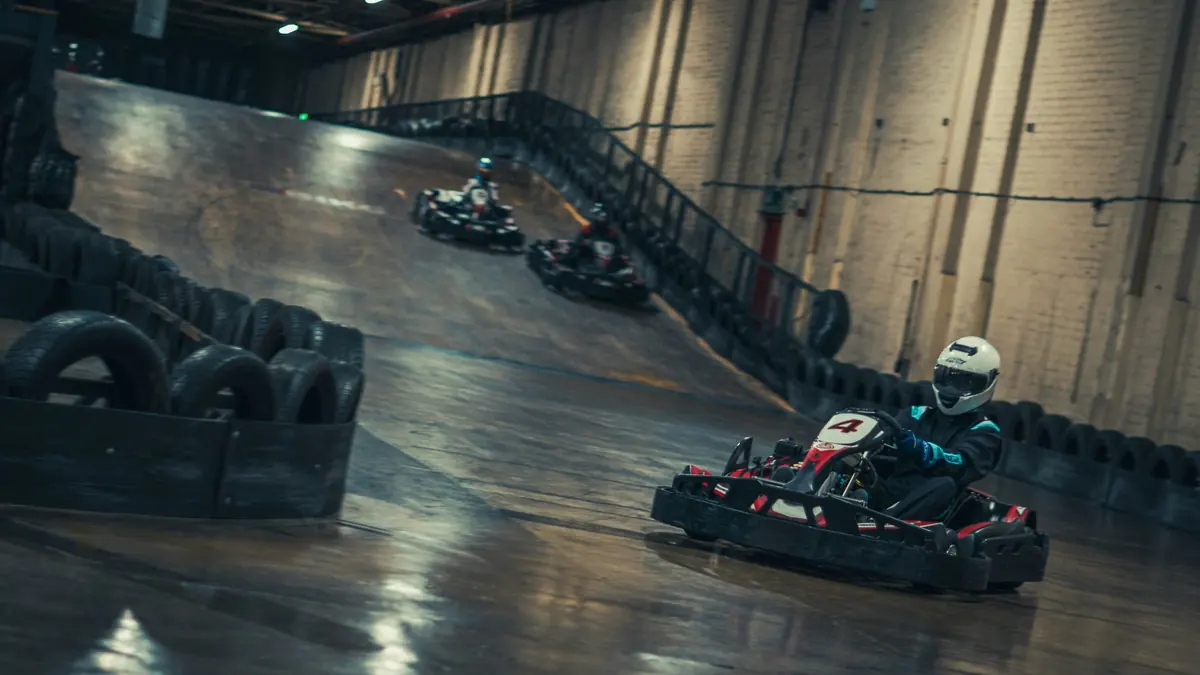
Indoor karting takes place inside a purpose-built facility, usually featuring a paved circuit with protective barriers, designated passing areas, and controlled access to the track.
Many indoor facilities use electric karts, although some operate gasoline-powered fleets with appropriate ventilation systems.
Indoor karting facilities often offer:
- Arrive-and-drive rental sessions
- Timed laps and electronic timing systems
- Beginner-friendly safety briefings
- Junior karting sessions, where available
- Group activities, birthday parties, and corporate events
Because the track is indoors, the experience is generally unaffected by rain, snow, or seasonal temperature changes.
This makes indoor karting particularly attractive for people looking for a convenient introduction to the sport.
What Is Outdoor Karting?
Outdoor karting takes place on open-air circuits, which can range from recreational rental tracks to dedicated competitive karting facilities.
Outdoor tracks may feature longer straightaways, wider corners, elevation changes, and more varied layouts.
Depending on the facility, outdoor karting can include:
- Recreational rental kart sessions
- Junior and family karting activities
- Timed practice sessions
- Competitive racing events
- Driver training and coaching
- Owner-kart practice and racing
Some outdoor facilities operate both rental karts and dedicated racing programs, making them interesting for beginners who may eventually want to explore competitive karting.
For a broader introduction, read our Rental Karting: The Complete Guide for Beginners.
Indoor vs. Outdoor Karting: Key Differences
| Feature | Indoor Karting | Outdoor Karting |
|---|---|---|
| Weather | Generally weather-independent | Weather-dependent |
| Track layout | Often compact and technical | Often longer and more varied |
| Kart type | Frequently electric | Frequently gasoline-powered, with electric options at some venues |
| Speed | Depends on the facility and kart settings | Depends on the facility and kart settings |
| Availability | Often year-round | May be seasonal |
| Beginner suitability | Excellent with appropriate supervision | Excellent with appropriate supervision |
| Driving conditions | Generally consistent | Can vary with temperature, wind, and rain |
| Racing opportunities | Recreational races and leagues at some facilities | Recreational and competitive programs at some facilities |
These are general tendencies rather than universal rules. The quality of the facility, kart fleet, safety procedures, and staff supervision matter more than whether a track is indoors or outdoors.
Which Is Easier for First-Time Drivers?
Indoor karting can be a convenient starting point because conditions are relatively predictable and sessions are often organized around first-time visitors.
However, indoor circuits can also be technical. Tight corners, frequent direction changes, and limited passing opportunities may challenge new drivers.
Outdoor rental tracks can offer a different learning environment, sometimes with more space to anticipate corners and develop smooth driving habits.
Neither environment is automatically easier. Beginners should look for a facility that offers suitable rental karts, clear safety instructions, and sessions appropriate to their experience level.
Which Is Safer: Indoor or Outdoor Karting?
Safety depends primarily on the facility’s operating standards rather than the location of the track.
A well-managed karting facility should provide:
- Appropriate helmets and safety equipment
- A mandatory safety briefing
- Clearly explained track rules
- Properly maintained rental karts
- Suitable barriers and track supervision
- Procedures for incidents and emergencies
- Age and height restrictions appropriate to the equipment
Indoor and outdoor karting both involve risks, including collisions, sudden braking, and contact with barriers.
Before booking, check the facility’s safety requirements and whether beginner sessions are available.
For additional information, see our Essential Karting Safety Equipment Guide.
Is Indoor or Outdoor Karting Better for Children?
Both indoor and outdoor karting can be suitable for children when the facility provides age-appropriate equipment and supervision.
Some indoor facilities offer junior electric karts with adjustable performance settings. Outdoor facilities may offer junior rental karts or structured introductory programs.
Parents should compare:
- Minimum age and height requirements
- Junior kart availability
- Supervision and safety procedures
- Whether children and adults share track sessions
- Session duration
- Staff experience with younger drivers
Minimum ages and height requirements vary between facilities. Always confirm the specific requirements before visiting.
Read our Karting for Kids & Parents guide for more information.
Which Offers a Better Driving Experience?
The answer depends on what you enjoy.
Indoor Karting: Precision and Consistency
Indoor karting often rewards accurate steering, smooth braking, and maintaining momentum through consecutive corners.
Because driving conditions are relatively consistent, drivers can compare lap times and focus on improving their technique.
Outdoor Karting: Variety and Track Conditions
Outdoor karting introduces additional variables, such as changing track temperatures, wind, and occasionally wet conditions.
Longer circuits may also offer different braking zones, corner combinations, and opportunities to develop racing lines.
Both environments can help drivers improve their skills.
To learn more, explore our Karting Driving Techniques guide.
Is Indoor or Outdoor Karting More Expensive?
Pricing varies significantly by location, facility, kart type, and session duration.
Indoor facilities may offer short timed sessions, multi-race packages, and group rates. Outdoor tracks may charge per session, by time, or through special rental packages.
When comparing prices, consider the total experience rather than the advertised session price alone.
For example, check whether the price includes helmet rental, how much actual driving time is provided, and whether additional fees apply.
A slightly more expensive session may offer better value if it provides more track time or a more suitable beginner experience.
For Québec-specific cost considerations, see How Much Does Karting Cost in Québec?.
Can Indoor Karting Help You Prepare for Competitive Racing?
Yes. Indoor rental karting can help beginners develop fundamental driving skills, including:
- Smooth steering
- Consistent braking
- Corner entry and exit techniques
- Awareness of other drivers
- Lap-time consistency
- Basic overtaking judgment
These skills can transfer to outdoor karting and organized competition.
However, competitive karting introduces additional considerations, including racing regulations, specialized equipment, mechanical preparation, and structured race formats.
If you’re interested in progressing beyond recreational sessions, read How to Start Kart Racing in Québec.
How to Choose Your First Karting Experience
Before booking your first session, consider these questions.
1. Is this your first time driving a kart?
Choose a facility with beginner-friendly rental sessions and a clear safety briefing.
2. Are you bringing children?
Confirm age restrictions, junior kart availability, and whether separate sessions are offered.
3. Do you want a casual activity or to develop driving skills?
Both indoor and outdoor facilities can accommodate recreational drivers, but some offer additional coaching, leagues, or practice opportunities.
4. Does the weather matter?
Indoor karting is generally more convenient during winter or unpredictable weather.
5. Are you considering competitive karting?
An outdoor facility with a racing program may provide opportunities to learn about the sport beyond recreational rentals.
Final Verdict: Indoor or Outdoor Karting?
For many beginners, indoor karting offers a convenient and accessible introduction, especially when weather conditions or limited time are important considerations.
Outdoor karting is equally worth exploring, particularly if you’re interested in larger circuits, varied driving conditions, or eventually participating in organized racing.
The best first karting experience is one that matches your abilities, provides appropriate safety supervision, and makes you want to drive again.
Rather than choosing based on indoor versus outdoor alone, compare the actual facilities available in your area.
And remember: you don’t have to choose just one. Trying both is an excellent way to discover what you enjoy most about karting.
Continue Learning About Karting
New to the sport? Explore our Recreational Karting section for beginner guides, practical advice, and information to help you make the most of your karting experiences.
